


One of the most common questions clinicians hear from patients considering transcranial magnetic stimulation is simple and reasonable: why does TMS take place over several weeks instead of a single session? The answer lies in the fundamental neuroscience behind Repetition in TMS Therapy and how the brain learns, adapts, and stabilizes change over time.
Unlike interventions designed to produce immediate biochemical effects, TMS works by engaging the brain’s natural capacity for neuroplasticity. This process is not instantaneous. It depends on repeated, targeted stimulation that gradually reshapes neural circuits responsible for mood regulation, cognitive control, and emotional processing.
Understanding why repetition matters helps both providers and patients view TMS not as a one-time event, but as a structured neurological training process.
The Brain Learns Through Repetition, Not Exposure
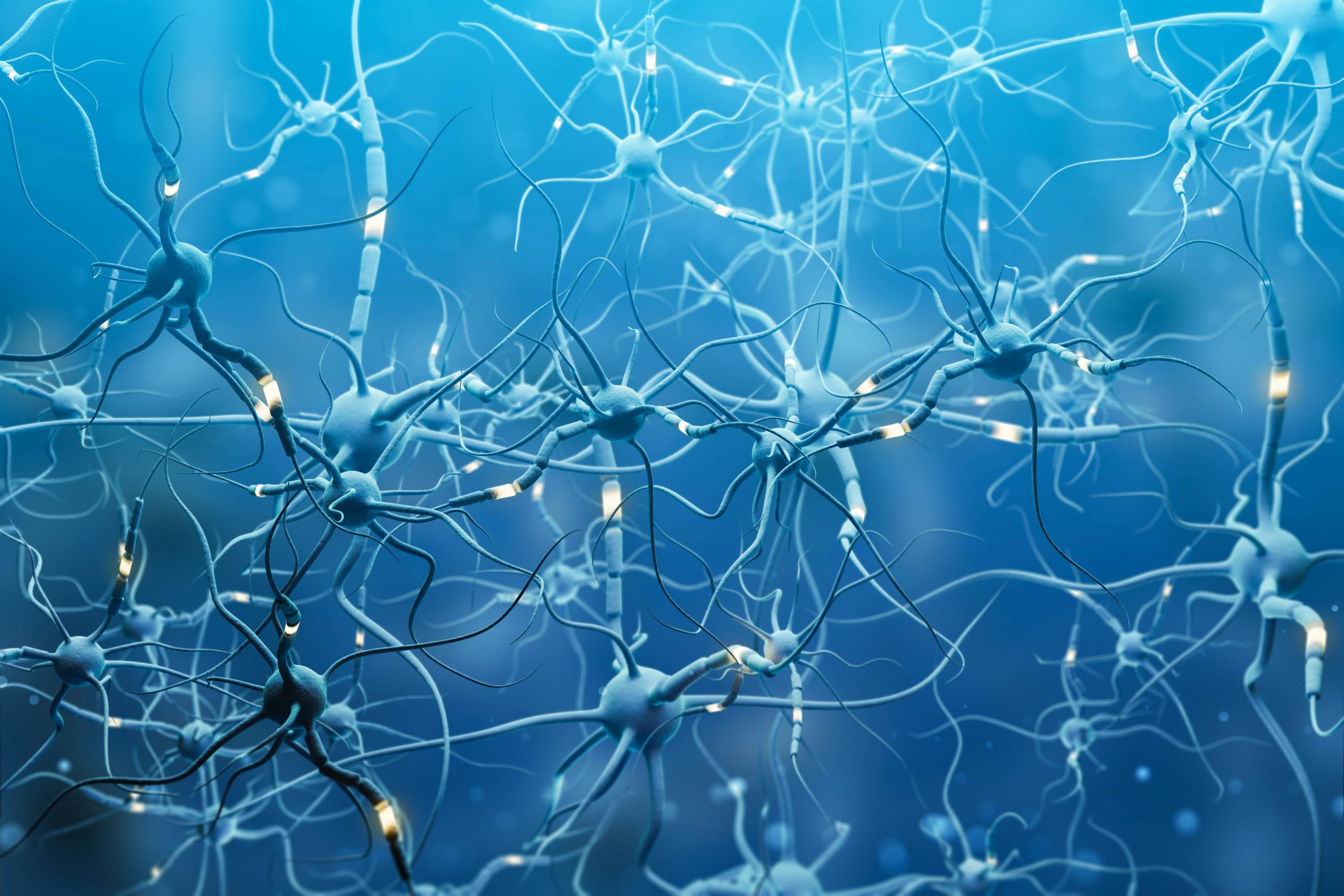
At its core, the human brain is a learning organ. Neural networks strengthen through repeated activation, a principle often summarized as “cells that fire together, wire together.” This reflects a well-established biological mechanism known as synaptic plasticity, where neurons adjust the strength and efficiency of their connections based on experience.
In depression and other mood disorders, certain brain circuits, particularly within the dorsolateral prefrontal cortex, show reduced activity and impaired connectivity. A single exposure to stimulation is not sufficient to reverse patterns that may have developed over years. Repetition in TMS Therapy is what allows these circuits to re-engage, strengthen, and stabilize.
Each TMS session builds upon the previous one. The clinical benefits emerge from the cumulative effect rather than any single treatment.
Repetition in TMS Therapy as a Driver of Synaptic Plasticity
Synaptic plasticity unfolds in stages. Early stimulation may temporarily alter neuronal firing patterns, but durable change requires repeated reinforcement. This is why learning new skills, forming habits, and recovering function after injury all rely on consistent repetition.
TMS leverages the same biological process. Repeated magnetic pulses delivered at therapeutic frequencies encourage long-term potentiation or long-term depression of synaptic activity, depending on the protocol. These changes do not consolidate after a single session. They accumulate gradually over time.
By delivering treatment five days per week across several weeks, Repetition in TMS Therapy mirrors the conditions under which the brain naturally encodes and retains new patterns of activity.
Why TMS Is Structured Over Weeks, Not as a Single Intervention
The multi-week structure of TMS treatment is intentional and grounded in neuroscience. Each session nudges targeted neural circuits toward healthier activity levels, but the brain requires repeated exposure to recognize these patterns as the new baseline.
If treatment were compressed into a single or limited number of sessions, the induced changes would likely be transient. The brain would revert to established maladaptive patterns once stimulation stopped. Repetition ensures that new neural activity patterns are reinforced frequently enough to compete with and replace older circuitry.
This principle is central to Repetition in TMS Therapy and explains why consistency matters more than intensity alone.
Cumulative Neural Effects and Clinical Outcomes
Clinical outcomes in TMS strongly correlate with adherence to the full treatment course. Patients who complete the recommended number of sessions consistently demonstrate higher response and remission rates compared to those who discontinue early.
This relationship reflects the cumulative nature of neural change. Each session contributes incrementally to strengthening underactive prefrontal networks, improving connectivity with deeper limbic structures, enhancing top-down emotional regulation, and supporting sustained symptom improvement after treatment ends.
The therapeutic effect often becomes noticeable after several weeks because meaningful neuroplastic change takes time.
Repetition, Learning, and Brain Training
TMS can be understood as a form of guided brain training. Just as physical rehabilitation requires repeated movement to retrain muscles and motor pathways, Repetition in TMS Therapy retrains dysfunctional neural circuits involved in mood and cognition.
Early sessions lay the groundwork. Mid-course sessions reinforce learning. Later sessions consolidate stability. This staged progression aligns with how the brain naturally acquires and maintains new functional patterns.
From a neuroscience perspective, repetition is not a limitation of TMS. It is a core feature of its effectiveness.
Why Repetition in TMS Therapy Matters for Providers and Clinics
For clinicians, clearly explaining the role of repetition improves patient education, expectation-setting, and treatment adherence. Patients who understand why treatment takes time are more likely to complete the full course.
For clinics, delivering precise, consistent stimulation session after session is essential. Accuracy in targeting, protocol fidelity, and schedule consistency ensure that each treatment contributes meaningfully to cumulative neural change.
This is why advanced TMS systems are designed to prioritize repeatability and precision.
Repetition in TMS Therapy and Long-Term Outcomes
The durability of TMS outcomes is closely tied to repetition. Long-term follow-up studies show that patients who respond to a full course of treatment often maintain benefits for months or longer, particularly when TMS is integrated into comprehensive psychiatric care.
These sustained outcomes reflect genuine neurobiological change rather than temporary symptom suppression. Repetition in TMS Therapy allows healthier neural patterns to become the brain’s new default, reducing the likelihood of rapid relapse.
Closing Perspective on Repetition in TMS Therapy
Ultimately, Repetition in TMS Therapy is about aligning treatment with how the brain actually changes. Neuroplasticity is cumulative, experience-dependent, and time-sensitive. TMS respects this biology.
When delivered consistently over weeks, TMS does not merely stimulate the brain. It teaches it.
To learn more about precision-engineered systems that support consistent, repeatable stimulation protocols, explore the Blossom TMS Therapy System.
SEBERS Medical
Phone: +1.833.328.9867
Email: Sales@sebersmedical.com
Website: Blossomtms.com